
Here are some guidelines for how best to visit zoos and animal parks – differently.
Visiting Zoos
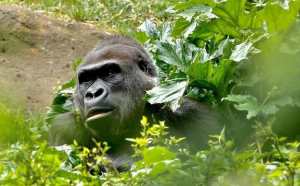 The next time you go to a zoo, consciously pre-plan your visit. Decide which one or more animal groups to concentrate on, and read about them beforehand. Familiarize yourself with the fundamentals of their lives: where they originate from, the structure of their cultures, what they like to eat, what the present situation of their natural habitats is, and so on. Already know a good deal about them before arriving. This is courteous to those who, by our hand, live captive and outside their natural realms.
Before you enter the zoo, pause to invoke the entire world of nature. Then make your way to the first animal group on your list. As you near their enclosure, briefly linger a short distance away, but where they can see you. Once they notice you, proceed to the main viewing area to let them see you openly. After introductions, when you’re ready, find a comfortable place to sit for a few hours and settle there in your “nest”. Without intrusively staring, be observant and attentive, meditate, breathe, read a little, write or sketch. You are showing them, “I just want to be here with you”, as in being-together-doing-nothing.
 Zoo residents typically experience humans casually wandering by, blandly staring, chatting with each other, being endlessly distracted, and only dimly aware of their surroundings. The daily stream of traffic becomes a dull blur, which the animals soon barely notice. Some people also laugh and yell, taunting, and teasing. The average time people stand in place to view zoo residents is three seconds, a sign of how much real interest people generally have. The passing these human crowds becomes life-draining.
When we consciously approach the animals, introduce ourselves humbly and with appreciation, and then stay for a few hours, this is something different for them. After some time passes and the animals register that we are still there, they become curious and attentive. As this process develops, we start seeing them in new and enriching ways, just as they will also be feeling us. A meaningful relationship is beginning. And these unique relationships can grow to inform our mutual lives in significant ways. We might start dreaming of the animals. We may feel their influence within our days. Their existence and ours will be expanded through a mutual connection developed over time and ongoing visits.
 Spending time with a few animal groups, or individuals, instead of rushing through the zoo, is a better way to engage with the typically contemplative non-humans there. Right within our cities, we can feelingly connect with some of the conscious beings of Earth’s vast zoological-botanical gardens. And through this, they can connect with humans in a new way.
If everyone visited in this manner, zoos would begin to serve humanity at a depth necessary to help with transforming human culture. Zoos may even assume the qualities of temples, set apart places where humans and non-humans mutually participate in and share the contemplative depths that are the natural birthright of all beings.
Such connections will change human lives – expanding our awareness for seeing the world more broadly, wherever we are. New changes in zoos will not likely come from zoos themselves, but from their visitors – as we begin to see and behave differently.
Zoo developers, designers, and staff might also come to envision zoos and animal parks more deeply.
How can their facilities and operations be re-imagined to better support non-humans’ contemplative natures, as well as the potentially meditative qualities of the humans who work and visit there?
Can areas of meditation and contemplation be created through new designs? Can courses be developed and offered, guiding staff and visitors in meditation approaches for connecting with nature’s more profound qualities? If visitors begin relating to zoos differently, as places for contemplation, combining deeply with the animal and plant residents, this will influence zoos to change and grow.
.
Visiting National Parks and Natural Places
 A similar approach may be applied to national parks. Visit parks with this same intent. And request that the park services begin educating and providing the visiting public with more enriching opportunities for participating with the natural life within such extraordinary places.
Many locations now protected by national parks have been sacred places for human through millennia.
Indigenous peoples would visit such locations for sacred reasons only, and only when they were prepared. They also actively served such places with careful cultural burning and land-care practices.
 How can today’s parks and their staff better prepare people for visiting?
And how can we more deeply ready ourselves before spending time in these unique environments?
Humans once revered the natural world, and may again, as we learn lessons from previous recent mistakes.
Just as city zoos may become sacred temples honoring the natural contemplation of all beings, national parks and similar places can also become truly revered regions – not merely tourist destinations.
These are realms of profound energies, where con-temp-lation is naturally felt.
 Forests, soils, rivers, mountains, deserts, swamps and beaches are abundant living temples of flourishing mysterious life.
When you are fortunate to be in such places, stroll, sit, wander, meditate, and feel…


 Envisioning Fearing No More